
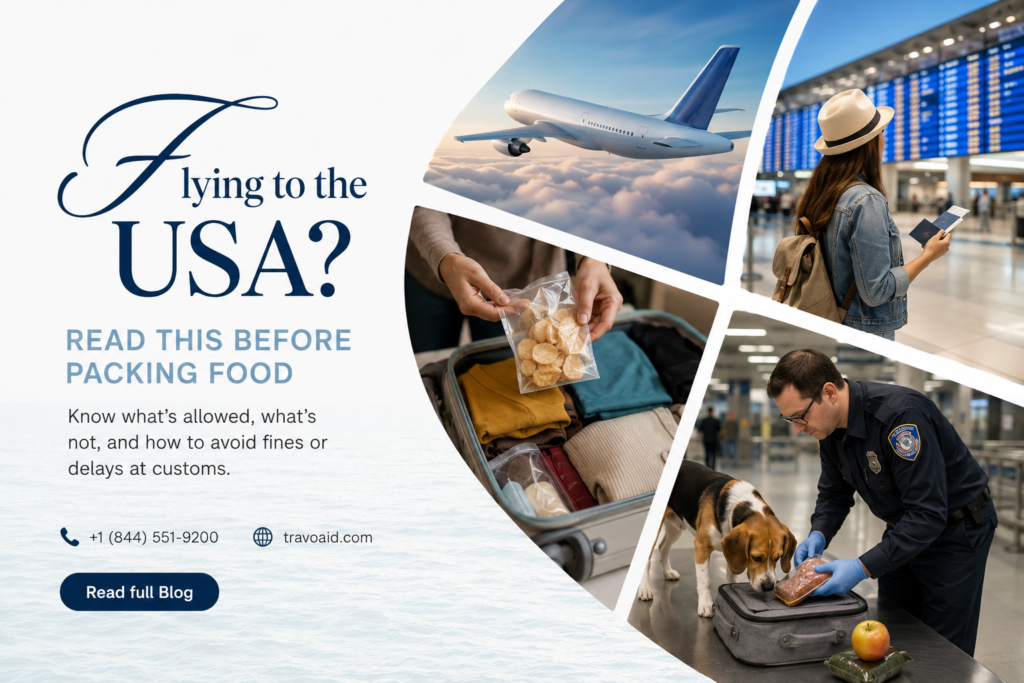
There is an undeniable magic when you begin planning an adventure across the United States. Whether your heart is set on the neon-lit energy of New York City, the sun-kissed golden beaches of California, or the awe-inspiring depths of the Grand Canyon, traveling to America is a dream come true for millions. You spend weeks curating the perfect outfits, gathering your travel documents, and finalizing your itinerary.
But as the departure date draws near, a deeply comforting thought always crosses your mind: packing your favorite hometown comfort foods, beloved local spices, or sweet treats to share with friends and family. Food has a beautiful way of connecting us to home, and it is completely natural to want to bring a little piece of your culinary heritage along for the ride.
However, crossing international borders with food items can quickly turn a dream vacation into a stressful airport dilemma if you are unprepared. The United States Customs and Border Protection (CBP) enforces some of the strictest agricultural and biosecurity regulations on the planet. These rules are not meant to dampen your travel spirit, but rather to safeguard local agriculture, livestock, and native ecosystems from invasive pests or devastating foreign diseases.
Before you double-check your luggage zippers and make your final trip to the airport, it is vital to understand what can safely clear immigration and what must remain behind. Preparing your bags with these regulations in mind ensures your journey starts on a perfectly sweet and seamless note.
✅ Read also : Best Ways to Use Travoaid for Cheap Flight Booking (2026)
The Golden Rule of US Customs: Declare Everything
The most critical piece of advice any seasoned globetrotter can give you is simple: declare absolutely every single food item you are carrying. When you land at a United States port of entry, you will be required to complete a declaration process, either on a paper form or through an automated digital kiosk. The declaration question asks explicitly if you are bringing any fruits, vegetables, meats, seeds, or cultures.
Even if you are only carrying a sealed chocolate bar or a bag of dry biscuits, checking “Yes” protects you from severe legal penalties. If you declare an item that happens to be prohibited, the worst that will happen is a friendly officer will ask you to discard it in a designated bin. However, if you fail to declare a prohibited item and it is discovered by an agricultural specialist or a trained K9 officer, you could face instant confiscation and heavy monetary civil fines ranging from hundreds to thousands of dollars.
Experienced global wanderers know that securing a cheap aeroplane ticket is only the first step in a successful journey, as arriving at your destination with peace of mind is what truly completes a perfect itinerary.
Navigating the Rules for Fresh Produce and Meats
When it comes to agricultural security, fresh fruits, vegetables, and meats are considered the highest risk categories. Almost all fresh fruits and vegetables are prohibited from entering the United States because they can harbor hidden insect larvae or plant diseases that could devastate American farming communities. Even that innocent apple or orange you saved from your inflight meal service must be eaten on board or thrown away before you step off the aircraft into the customs hall.
Meats and poultry face equally rigid restrictions due to global concerns over foot-and-mouth disease, swine fever, and avian influenza. This rule extends far beyond a fresh cut of steak from a local butcher. It applies to dried meats, sausages, canned meats, and even packaged instant noodle soups if the ingredient label lists chicken or beef broth.
Savory snacks and specialty regional items vary heavily by country of origin, which is why travelers often spend considerable time researching regulations while completing their airline ticket booking process online.
Packaged Goods, Baked Items, and Sweets That Usually Pass
Fortunately, the news is not all bad for food-loving travelers. The vast majority of commercially packaged, shelf-stable, and fully processed goods are completely admissible into the United States. If you are hoping to pack a sweet box of cookies, traditional baked goods, crackers, or processed breakfast cereals, you are generally in the clear.
Chocolates, hard candies, and roasted nuts without shells are also widely accepted as long as they are wrapped in their original commercial packaging with clear ingredient lists. Condiments like oils, mustard, and mayonnaise are fully permitted provided they do not contain hidden meat products. Hard and semi-soft cheeses like cheddar or gouda are allowed, though soft cheeses packed in liquid or brine might trigger extra inspection depending on where you began your journey.
Ensuring your favorite treats are securely sealed in your checked bags can make your long-haul flight feel far more relaxing, allowing you to focus purely on the excitement of your upcoming American holiday. Many passengers cross-reference these packing rules right after finalizing their air flight ticket booking to avoid any last-minute packing anxiety at home.
Airline Dynamics and West Coast Connections
The way you plan your journey and pack your bags often depends heavily on the specific carriers you choose for your transoceanic or domestic connecting flights. Major network carriers like United Airlines and Delta Air Lines operate massive international hub systems at gateways like San Francisco, Los Angeles, and Chicago, where customs lines move thousands of international passengers daily. Understanding how your specific carrier handles baggage transfers can give you a clearer picture of when you will need to collect your luggage to clear agricultural checkpoints.
For those planning to travel domestically within America after clearing customs, regional networks and budget carriers play a massive role in your overall experience. Managing your packing weight becomes even more critical when transitioning from an international route to a domestic low-cost carrier, as baggage allowances often shrink significantly. Keeping your food items light and compact ensures you do not face unexpected surprises at the domestic check-in desk.
Travelers frequently evaluate their overall trip costs by factoring in potential baggage fees alongside the baseline airfare ticket cost when mapping out multi-city itineraries.
Smart Booking Strategies for Transatlantic Travel
Securing your transit to the United States requires balancing comfort, flight schedules, and overall travel expenses. In today’s dynamic aviation marketplace, finding the right balance involves watching how carriers adjust their pricing models across different seasons and booking windows. Prices often shift based on fuel costs, route popularity, and seat availability, making a patient approach to booking highly rewarding.
Many international visitors look at complex routing systems, combining a long-haul cross-border journey with an affordable domestic connection to reach smaller hidden-gem destinations across America. Comparing how different global alliances handle baggage routing through major entry hubs can save you time, energy, and physical strain during long layovers.
Before locking in your journey, reviewing the baseline flight ticket price across multiple departure dates can reveal massive variations in cost, helping you keep your hard-earned money for memorable dining experiences instead.
The Nuances of Transpacific and Canadian Transit
For travelers approaching the United States from Asia or navigating through Canadian connections, the regulatory landscape features unique conveniences. Air Canada and various transpacific carriers offer extensive networks that tie into major American metropolises. A massive benefit for travelers routing through major Canadian airports like Toronto Pearson or Vancouver is the presence of US Preclearance facilities.
Preclearance allows you to clear United States customs, immigration, and agricultural inspections before you even board your flight to America. This means your food items are inspected by American officers while you are still on Canadian soil. Once you land in the United States, your flight arrives at a domestic gate, allowing you to grab your bags and walk straight out to your destination without waiting in another customs queue.
Navigating these specific hubs can completely streamline your arrival experience, which is why smart passengers prioritize checking preclearance availability during their international flight ticket booking process.
Navigating Domestic Flight Connections in America
Once you successfully clear your initial United States customs checkpoint, you must re-check your luggage for any domestic connecting flights. This phase of the journey introduces a completely different set of airline rules and infrastructure systems. While international carriers are generous with checked bags, domestic carriers typically charge separate fees for every piece of luggage placed in the cargo hold.
Carriers like American Airlines and Alaska Airlines offer robust networks across the country, but if your bags are stuffed heavy with permitted local delicacies or gifts, those domestic weight limits can become a costly factor. Keeping your food items well-organized in easily accessible pouches allows you to quickly rearrange items at your transit locker if a bag registers as slightly overweight.
Savvy travelers often monitor seasonal trends to secure competitive international air tickets that offer complimentary domestic legs, eliminating the hassle of buying separate regional vouchers.
👉 Compare smarter airfare before prices rise ✈️ 📞 +1 (844) 551-9200
Utilizing Digital Search Tools for Local Assistance
Finding reliable assistance and up-to-the-minute scheduling data can make a massive difference when you are organizing a complex international itinerary from home. Many modern voyagers prefer relying on digital mapping systems and localized travel agencies to cross-reference route reliability, terminal layouts, and connecting times. Utilizing localized tools helps you identify reputable ticketing offices that can assist with visa requirements and custom regulations.
For those who prefer a face-to-face consultation or localized support when managing complex multi-destination vouchers, running a quick digital search for a reputable flight ticket booking near me can connect you with experienced regional experts who understand international transit nuances.
Balancing the Costs of State-to-State Travel
If your American adventure involves exploring multiple states, such as flying from the historic streets of Boston down to the sunny theme parks of Orlando, optimizing your regional transit budget is essential. The domestic aviation market within the United States is incredibly competitive, with legacy carriers and low-cost operators battling daily for passenger loyalty. This competition creates excellent opportunities for travelers who know where to look.
Staying flexible with your regional travel dates can uncover dramatic price drops, as flying on a Tuesday or Wednesday is almost always more affordable than chasing a Friday evening departure window. Securing a cheap domestic airfare deal allows you to easily expand your vacation horizon without draining your funds on basic transportation.
Leveraging Modern Fare Comparison Platforms
The secret to uncovering incredible travel deals in 2026 relies almost entirely on sophisticated data tracking and price comparison algorithms. Relying on a single search engine or a single carrier platform can limit your visibility, causing you to miss out on unadvertised seat sales or promotional fare brackets. Modern aggregators allow you to view multiple airlines side-by-side, detailing exactly what is included in the base price.
When using these platforms, it is important to pay close attention to hidden extras like seat selection parameters, carry-on restrictions, and cancellation flexibility. Utilizing a comprehensive flight compare price engine ensures you are looking at an honest, transparent breakdown of the total cost before entering your payment details.
Staying Ahead of Evolving Domestic Airline Tariffs
Airline pricing models fluctuate constantly based on real-time consumer demand, fuel price index shifts, and seasonal holiday rushes. During peak summer periods or major American holidays like Thanksgiving and Christmas, regional air travel costs can spike dramatically within a matter of hours. Monitoring these trends closely allows you to identify the exact moment pricing structures begin to soften.
Tracking historical data trends for your chosen route gives you the leverage needed to bypass urgency-driven marketing traps. Understanding average flight rates helps you recognize an authentic bargain the moment it appears on your screen, allowing you to book with absolute confidence.
Unlocking Promotional Travel Discounts and Perks
Every traveler loves the thrill of scoring a premium experience for a fraction of the standard retail price. Airlines frequently launch flash sales, corporate promotions, and credit card point tie-ins that provide substantial financial relief for long-distance flyers. Signing up for carrier newsletters and setting up automated price alerts are highly effective habits for capturing these brief promotional windows.
Taking the time to hunt for a valid seasonal coupon code or an active credit card discount on flight tickets can instantly free up extra cash in your vacation fund, giving you more freedom to indulge in premium dining or unforgettable guided excursions.
The Southwest Advantage for Heavy Packers
For travelers who simply cannot resist packing a substantial amount of permitted food items, traditional clothing, and gifts, the domestic carrier choice becomes incredibly straightforward. Southwest Airlines stands out as a unique favorite among domestic flyers due to its consumer-friendly baggage philosophies. Unlike almost every other major domestic operator, they do not penalize travelers for carrying multiple pieces of luggage.
The legendary swa baggage policy allows every passenger to check two bags completely free of charge, making it the ultimate option for families returning home with heavy boxes of permissible treats.
Navigating Low-Cost West Coast Scheduling
Exploring the vast beauty of the American West Coast requires an airline that offers frequent daily departures without premium price tags. Having a flexible schedule allows you to capitalize on early morning or late-night flight windows that major corporate business travelers typically avoid. This approach opens up incredible opportunities for budget-conscious families and solo backpackers alike.
Monitoring the weekly availability of southwest cheap fares can help you seamlessly hop between major California cities without accumulating hefty credit card balances along the way.
Finalizing Your West Coast Travel Bookings
When you are ready to transition from the planning stage to active booking, utilizing direct carrier web portals is generally the safest way to secure your seats. Booking directly ensures you receive real-time flight notifications, smoother customer service handling if weather delays arise, and direct control over your itinerary management.
Completing your southwest flight booking through their official application gives you instant access to their flexible change policies, ensuring your American holiday remains deeply relaxing and completely stress-free from the moment you pack your bags to the moment you return home.
Real Travel Example
Imagine a family flying from Tokyo to Los Angeles to visit relatives for a summer reunion. In their checked baggage, they pack several boxes of commercially sealed Japanese green tea, processed mochi rice cakes, and a few packages of instant ramen noodles to share.
Upon landing at LAX, they responsibly check “Yes” on their customs declaration form regarding food items. During their face-to-face interview, the CBP agriculture specialist kindly asks to see the instant ramen. The specialist reviews the ingredient label, notes that it contains chicken extract, and politely explains that poultry byproducts from that region are currently restricted.
The ramen is safely confiscated and disposed of without any penalties or conflict. Because the family declares everything honestly, the specialist smiles, approves their green tea and mochi cakes, and welcomes them warmly to the United States with zero fines or delays.
Final Thoughts
Traveling to the United States in 2026 is an incredible, life-affirming experience filled with endless opportunities for discovery. Packing a taste of home makes the journey feel even more personal, but success always relies on respecting your host country’s biosecurity boundaries. By choosing commercially packaged items, avoiding fresh produce or meat byproducts, and committing to absolute honesty on your customs declaration forms, you can sail through airport immigration with complete ease. A little bit of knowledge and preparation ensures your arrival in America is defined by warmth, excitement, and beautiful new memories.
✅ Read also : How Early to Book Domestic Flights in the US
FAQs
1. Why does the United States have such incredibly strict regulations regarding importing foreign food items?
The United States government maintains rigid agricultural laws to protect its vast domestic farming industry, livestock populations, and natural wildlife environments from foreign ecological threats. A single piece of fruit carrying hidden fruit fly larvae or a package of cured sausage harboring a contagious animal disease could cause millions of dollars in crop damage and severely disrupt food supply chains. By utilizing specialized CBP agricultural inspectors and highly trained detection dogs at international arrival terminals, the country can prevent dangerous biological elements from accidentally entering the local environment.
2. What happens if I accidentally bring a prohibited food item into the US but declare it honestly?
If you maintain complete honesty and declare every single agricultural item on your official customs form, you are fully protected from legal trouble or financial penalties. The customs officer or agricultural specialist will simply inspect the item to verify its packaging and country of origin. If they determine that the item violates current biosecurity import rules, they will retain the product for safe agricultural destruction. You will be allowed to keep your remaining approved belongings and walk into the terminal with a completely clean record.
3. Can I bring home-cooked meals or homemade baked delicacies into America in my carry-on bag?
Homemade meals, cooked stews, and open food containers are highly discouraged and rarely clear international customs inspection stations. While solid baked goods like homemade bread or plain cookies without fruit fillings might occasionally be allowed if inspected and found pest-free, any home-cooked items containing meat, dairy, or fresh components are strictly prohibited. Furthermore, any liquids, gravies, or paste-like homemade items in your carry-on luggage will instantly violate standard airport security liquid limitations. It is always safest to stick to sealed, commercially manufactured products.
4. Is it permissible to bring traditional spices, dried herbs, or herbal tea blends to the USA?
Most dried spices, ground culinary herbs, and commercially packaged tea bags are fully allowed into the United States, provided they are clean and completely free of visible soil or moisture. However, you must still declare them upon arrival. Certain whole seeds, unroasted coffee beans, or raw plant leaves can carry hidden biological hazards and may require intensive inspection or agricultural permits. To guarantee a smooth customs experience, ensure your spices are dried, finely ground, and kept in labeled bags or canisters that clearly state what is inside.
5. How do I verify if a specific regional food item is allowed before I purchase my airline tickets?
The absolute best way to check the current admissibility status of any specific food item or agricultural commodity is to consult the official websites of the United States Department of Agriculture and the Customs and Border Protection help centers. They maintain a comprehensive, real-time searchable database known as the Commodity Import Requirements portal. Cross-referencing your items on this platform before you start packing allows you to organize your luggage with absolute confidence and avoid purchasing gifts that would ultimately be discarded at the border.
👉 Compare smarter international airfare options today ✈️ CLICK HERE
👉 Need help with your USA travel plans? 📞 +1 (844) 551-9200