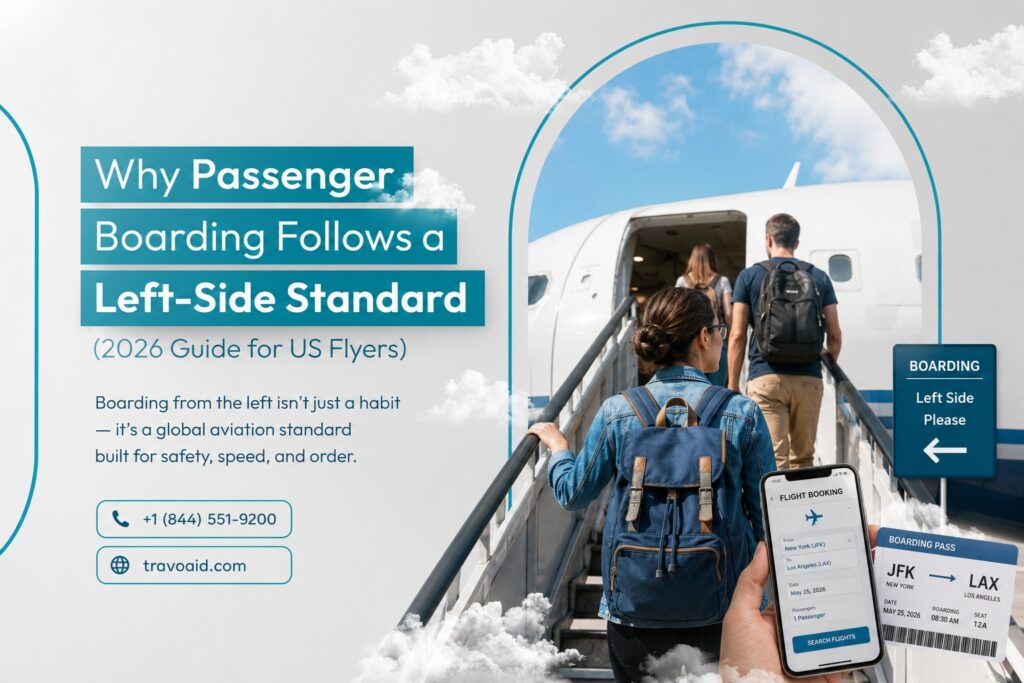
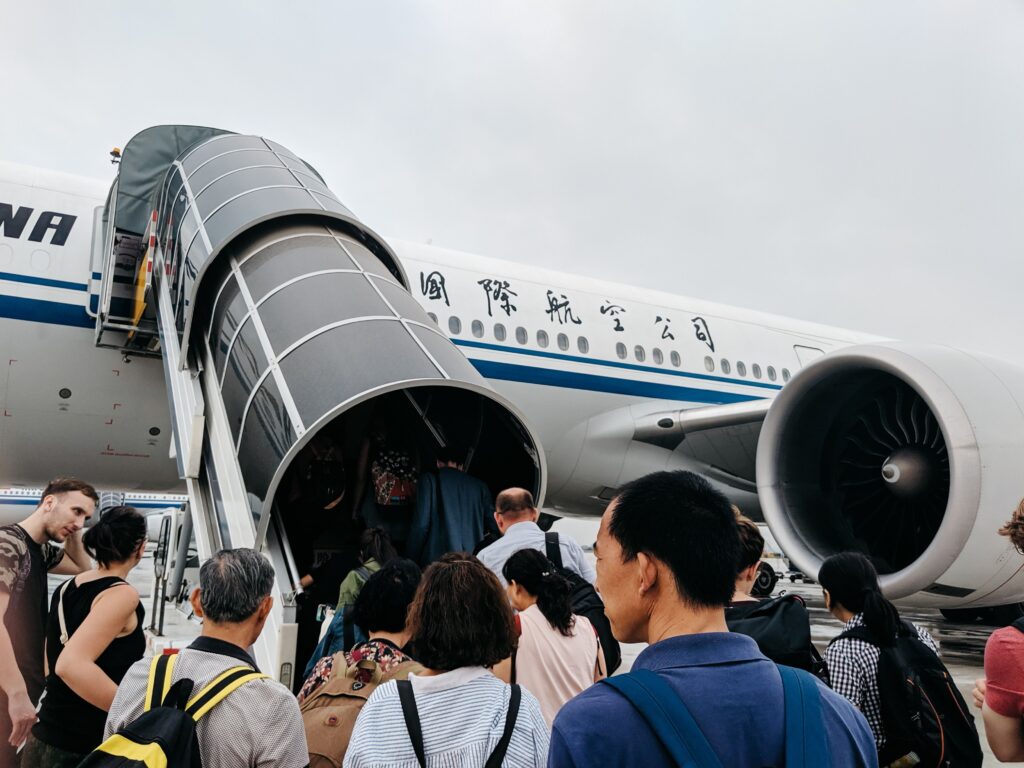
You’ve probably never thought about which side of the plane you walk into. Most people just follow the crowd, hand over their boarding pass, and find their seat. But there’s an actual reason every jet bridge in the US lines up with the left side of the aircraft, and once you know it, you start noticing it everywhere at the airport.
This guide breaks down where the rule came from, how it shapes the way US airports are built, and what it actually means for you the next time you’re booking the flight and picking a seat.
A Habit Older Than Modern Aviation
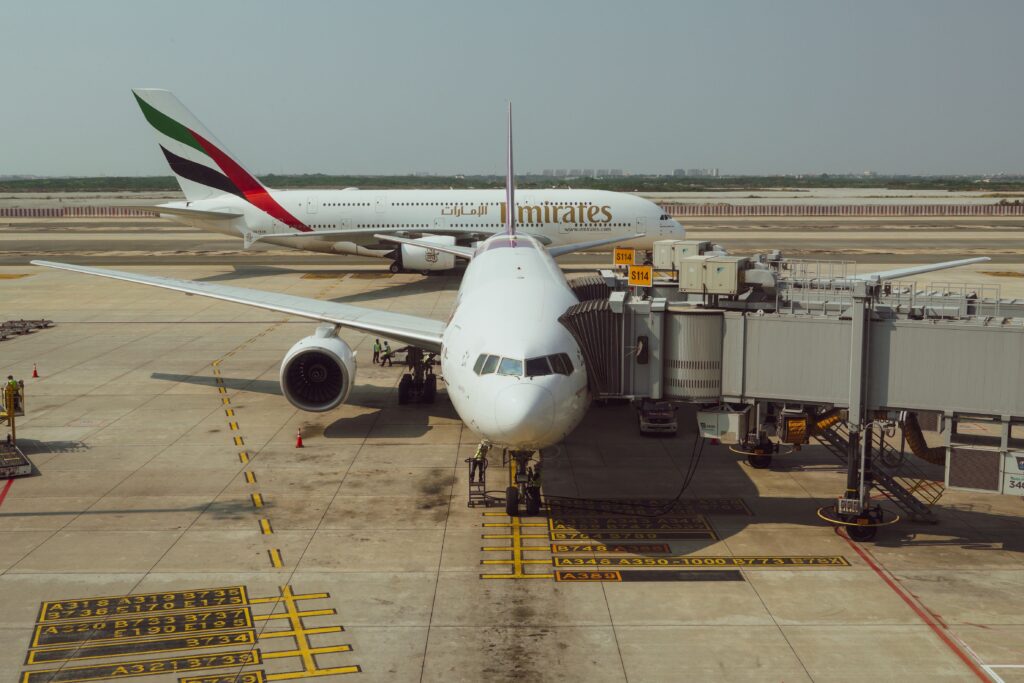
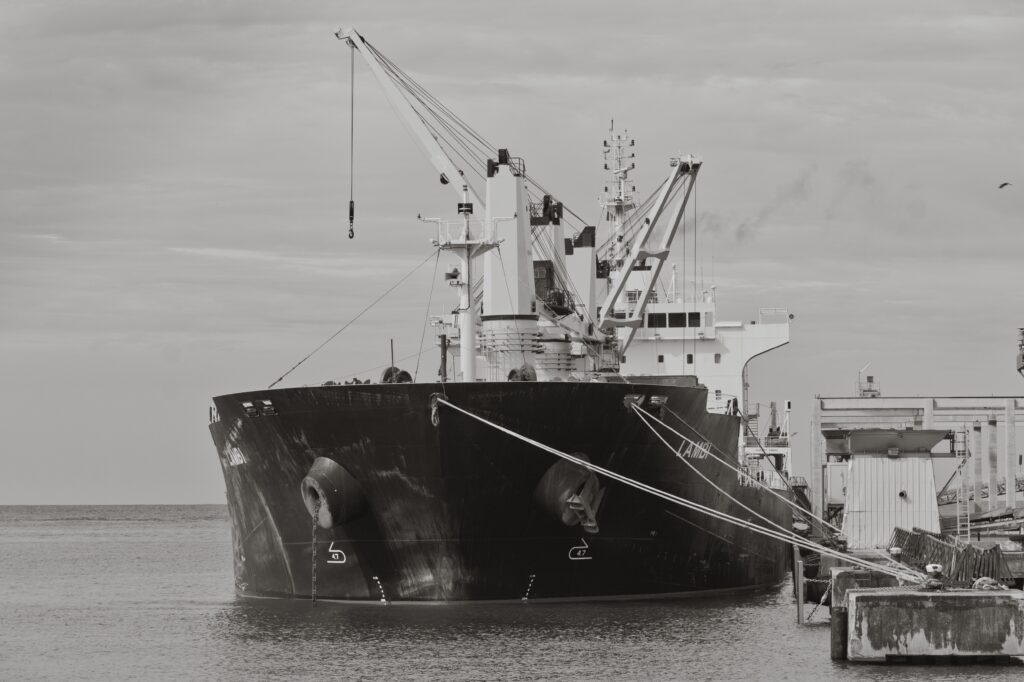
Long before airplanes existed, sailors were already docking ships on their left side, known as “port,” so crews could load and unload without chaos on deck. When commercial aviation started scaling up in the 1920s and 1930s, engineers borrowed a lot from maritime tradition, including this one. It just made sense to keep loading on one consistent side so ground crews wouldn’t collide with fuel trucks, baggage carts, and catering vehicles working the right side of the plane.
That early habit turned into a hard rule. Today, nearly every commercial aircraft in the US, from a regional jet to a widebody, boards passengers from the left.
Why It’s Not Just Tradition Anymore
It would be easy to assume this is just an old habit nobody bothered to change. It’s not. There’s real engineering and safety logic behind it now.
The Right Side Is Built for Ground Operations
Fuel trucks connect on the right. Cargo doors open on the right. Catering trucks, lavatory service, and baggage handling all happen on the right side of most aircraft. Keeping passengers on the opposite side means none of that heavy machinery is anywhere near the jet bridge or the people walking to their seats.
Cockpit Design Plays a Part Too
Pilots sit with the captain on the left. That’s partly why the left side became the “passenger side” by default; it lines up with how the cockpit and cabin crew coordinate boarding, safety checks, and communication with the gate.
Airports Are Physically Built Around This Rule
Every jet bridge in a US airport terminal, from JFK to LAX, is engineered to connect on the left. This isn’t something an airline decides on a flight-by-flight basis. It’s baked into how the entire terminal and gate system works.
What This Rule Means When You’re Booking a Flight
Here’s where this actually matters to you as a traveler. Because boarding always happens from the same side, seat maps, boarding groups, and jet bridge design are all standardized across almost every airline flying out of the US. Whether you’re flying Delta, American, or a budget carrier, the left-side boarding rule shapes how your boarding pass zone is assigned and how quickly you get to your row once you step on board.
If you’re someone who books last minute or compares a dozen tabs before flight ticket booking, this consistency is actually working in your favor. You already know what to expect walking down that jet bridge, no matter which airline or airport you’re flying through.
How Boarding Groups Actually Work in the US (2026 Update)
Boarding groups are where most of the confusion happens, and it has nothing to do with which side of the plane you enter.
Boarding Zones, Explained Simply
- Pre-board: Wheelchair passengers, active military, families with young kids
- Group 1 (or Zone 1): First and business class, top-tier loyalty members
- Group 2-3: Elite status holders, credit card holders with priority perks
- Group 4-6: Everyone else, usually sorted by seat location or fare class
- Basic Economy / Last Group: Typically boards last regardless of seat number
Why Airlines Charge Extra for Early Boarding
Airlines figured out that boarding orders are something people will actually pay for. Getting on early means better overhead bin space and less standing around in a crowded aisle. That’s why priority boarding has become its own add-on product, separate from your actual seat, and separate from your airline’s fare class.
Airlines Fare Classes and Boarding Priority
A lot of travelers assume a cheaper airline fare automatically means you board last. That’s mostly true, but not the full picture. Basic Economy usually boards last on purpose, but a standard Main Cabin fare on the same route can come with a mid-tier boarding group, sometimes even without paying extra. It comes down to the fare bucket you’re placed in at the time of booking, not just the price you paid.
If the boarding order matters to you, it’s worth checking the fare rules before you check out, not after.
Tips to Get Cheap Flight Tickets Without Losing a Good Boarding Spot
Everyone wants cheap flight tickets, but nobody wants to be the last person crammed into a middle seat with no bin space left. Here’s how to balance both.
- Book directly through the airline site when a fare sale is running, since third-party sites don’t always pass along boarding perks
- Use a travel credit card that includes free priority boarding as a built-in benefit
- Set a fare alert on Travoaid so you catch a price drop before the flight fills up
- Check in exactly 24 hours ahead if your airline assigns boarding order by check-in time
- Avoid Basic Economy on longer routes if overhead space matters to you
- Bundle a fare with a card that offers a free checked bag, which often nudges you into a better boarding group too
Flight Ticket Booking Mistakes That Push You to the Back of the Line
Even seasoned travelers mess this part up. A few common slip-ups during flight ticket booking that quietly hurt your boarding position:
- Booking the absolute cheapest fare without reading which boarding group it’s tied to
- Skipping seat selection, which on some airlines pushes you into auto-assigned last-minute seating
- Not linking your loyalty number at checkout, which means missing out on status-based boarding
- Assuming all economy fares board the same way across airlines, when every carrier sets its own rules
International Flight Booking and Boarding Rules Abroad
If you’re flying overseas, the good news is the left-side boarding standard holds up almost everywhere. From Heathrow to Narita, jet bridges are built the same way. What changes on an international flight booking is usually the boarding process itself, not which side you walk in from.
Some international airports board by row number starting from the back of the plane. Others still call zones the way US carriers do. If you’ve got a connecting international leg, it’s worth checking the boarding process for that specific airline ahead of time so you’re not caught off guard standing at the wrong gate area.
Flight Fare Trends US Travelers Should Watch in 2026
Flight fare pricing has shifted a lot over the past couple of years, and 2026 is shaping up to reward flexible travelers more than ever. Airlines are leaning further into dynamic pricing, meaning the price you see can change based on demand, how far out you’re booking, and even the device you’re browsing from.
Flight Ticket Rate by Season
Domestic flight ticket rate patterns are fairly predictable if you know when to look:
- January to early March: Typically the lowest fares of the year for domestic travel
- April to June: Prices climb as spring break and early summer travel picks up
- July to August: Peak summer pricing, book at least 6-8 weeks ahead
- September to early November: The best window for value, fewer crowds and lower fares
- Mid-November to December: Holiday pricing kicks in fast, sometimes doubling standard rates
Best Time to Book a Flight to US Destinations
If your trip is a flight to US cities from abroad, or a domestic hop between states, timing still makes the biggest difference in what you pay. Tuesday and Wednesday departures tend to run cheaper than weekend travel. Booking a domestic flight to US destinations about 4-6 weeks out usually lands you in the sweet spot between “too early, prices haven’t dropped yet” and “too late, prices are climbing.”
Cheap United Flights and What Boarding Looks Like
United has its own boarding structure that’s a bit different from Delta or American. Cheap United flights are booked in the Basic Economy board in the very last group, but United’s MileagePlus status and certain co-branded credit cards can bump you up several groups even on a lower fare. If you fly United often, it’s worth comparing whether a slightly higher fare with better boarding priority actually saves you hassle in the long run.
Frequently Asked Questions About Airplane Boarding
Do all airlines board from the left side?
Yes, virtually every commercial airline operating in the US and most international carriers use the left side for passenger boarding. It’s tied to how airports and jet bridges are physically built, not an airline’s individual choice.
Can I ask to board earlier without paying extra?
Sometimes. Families traveling with small children, passengers needing extra time, and active military typically qualify for pre-boarding regardless of fare type. Outside of that, early boarding is usually tied to fare class or loyalty status.
Does the boarding group affect where I sit?
No. Your seat is locked in at booking or check-in. The boarding group only affects when you walk on, not which seat you end up in.
Why do some flights board back to front?
A handful of airlines, especially on international routes, use back-to-front boarding to reduce aisle congestion. It’s less common in the US but still shows up occasionally.
Final Thoughts Before Your Next Flight
Next time you’re standing at the gate waiting for your group to get called, you’ll know exactly why that jet bridge lines up the way it does, and why the side of the plane you board from has stayed the same for almost a century. It’s a small detail, but understanding it helps you make smarter choices the next time you’re comparing fares, picking a seat, or deciding whether early boarding is actually worth the extra few dollars.
Ready to compare fares for your next trip? Search live prices and set a fare alert on Travoaid before seats fill up.
Comparing routes across the US? Start with our cheap flights from the United States page to see live fares from every major airport.
Need help finding the best airfare ? CLICK HERE
For More Information : 📞 +1 (844) 551-9200