
Have you ever stepped off a flight feeling unusually thirsty, with dry lips, irritated eyes, tight skin, or a scratchy throat? Even after drinking water before boarding, many travelers notice that flying leaves them feeling less refreshed than expected. While jet lag and long travel days often receive the blame, one of the biggest reasons lies inside the aircraft itself.
Modern airplanes are engineering marvels designed to carry hundreds of passengers safely at cruising altitudes of over 35,000 feet. However, creating a comfortable cabin environment at that height presents unique challenges. To maintain safe air pressure, aircraft continuously circulate and condition cabin air, but this process also results in significantly lower humidity than most people experience on the ground.
Many travelers spend hours comparing flight tix before planning a vacation or business trip, yet few realize that cabin humidity can have a direct impact on how they feel during and after the journey. Understanding why airplane cabins become so dry—and learning a few simple ways to stay hydrated—can make every flight far more comfortable.
Whether you’re flying for a quick domestic getaway or embarking on a long international adventure, preparing for the cabin environment is just as important as packing your passport or choosing the right seat. A little knowledge before takeoff can help you arrive feeling healthier, more energized, and ready to enjoy your destination.
✅ Read more : What Really Happens If You Forget to Enable Airplane Mode?
Why Airplane Cabins Have Such Low Humidity
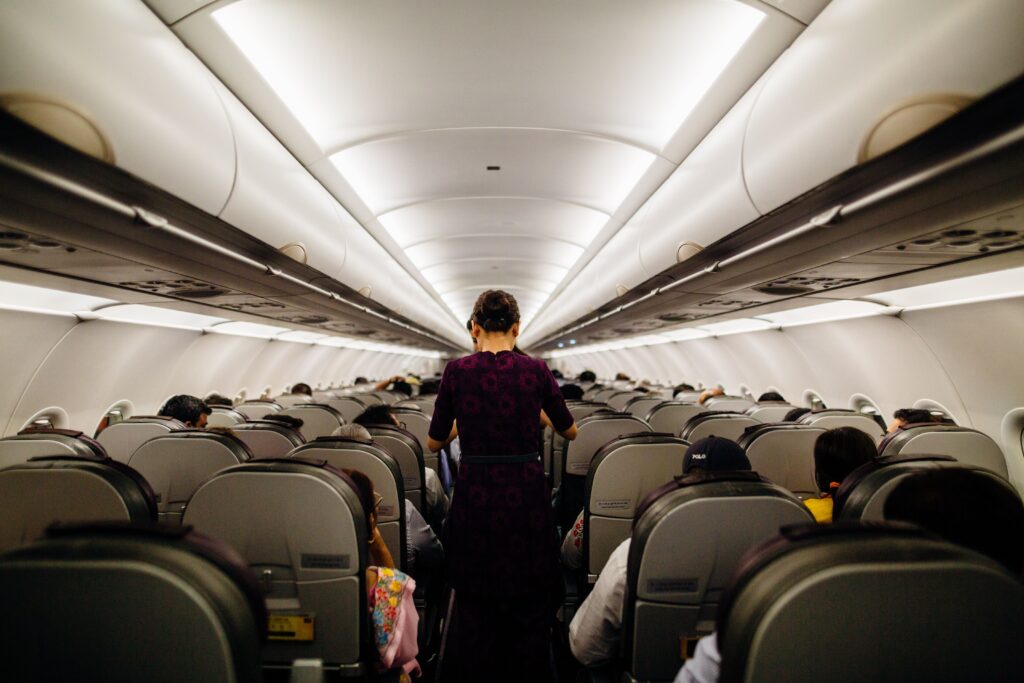
At cruising altitude, the outside air contains extremely little moisture. Before entering the cabin, this air is compressed, filtered, and conditioned to maintain safe cabin pressure.
Although modern aircraft provide comfortable temperatures, the humidity level inside the cabin often remains much lower than people experience at home or in most offices.
As a result, moisture naturally evaporates from your skin, eyes, nose, throat, and respiratory system more quickly during the flight.
This dry environment is one of the primary reasons travelers frequently feel dehydrated after several hours in the air.
Why You Feel Thirstier During a Flight
Your body continuously loses small amounts of water through breathing and normal body functions.
Inside an aircraft cabin, this moisture loss happens more rapidly because the surrounding air is so dry.
Many travelers don’t immediately notice these gradual changes until they begin feeling thirsty, develop dry lips, or experience mild fatigue during the flight.
Drinking water consistently throughout the journey helps replace this lost moisture before dehydration becomes more noticeable.
Dry Air Can Affect More Than Your Throat
Low cabin humidity doesn’t only make passengers thirsty.
Many travelers experience dry skin, irritated eyes, nasal discomfort, headaches, tiredness, or a feeling of overall sluggishness after long flights.
People who wear contact lenses often notice increased eye dryness, while those with allergies or respiratory sensitivities may feel additional discomfort during extended travel.
Fortunately, simple preparation can significantly reduce these effects.
How Long Flights Increase the Effects
The longer you remain inside a low-humidity cabin, the greater the opportunity for moisture loss.
Short domestic flights may cause only minor discomfort, while long-haul international journeys lasting eight hours or more often make dehydration much more noticeable.
Passengers sleeping for extended periods without drinking water may experience even greater dehydration upon arrival.
Maintaining hydration throughout the journey is far more effective than trying to recover after landing.
Smart Ways to Stay Hydrated While Flying
| Hydration Tip | Why It Helps |
| Drink water regularly | Replaces moisture lost in the dry cabin environment. |
| Carry a reusable water bottle | Makes it easier to stay hydrated after airport security. |
| Apply lip balm | Helps prevent dry, cracked lips. |
| Use moisturizer | Protects skin from excessive dryness. |
| Wear glasses occasionally | Gives contact lens users relief from dry air. |
| Limit alcohol | Reduces additional fluid loss during the flight. |
| Eat water-rich snacks | Fruits and vegetables contribute to hydration. |
Hydration Mistake Many Travelers Make
One of the most common mistakes is waiting until you feel thirsty before drinking water.
Thirst is often a sign that your body has already begun losing more fluids than it has replaced.
Experienced travelers start hydrating before departure, continue drinking water during the flight, and maintain good hydration after landing.
Small, consistent amounts of water throughout the journey are generally more effective than drinking a large amount all at once.
Airline Comparisons
Choosing an airline involves much more than finding the lowest advertised fare. Experienced travelers compare schedules, aircraft types, cabin comfort, onboard services, and route convenience before confirming their reservation. While completing book flight booking, many travelers also consider flight duration because longer journeys require additional preparation for hydration and personal comfort.
Airlines such as Emirates, Qatar Airways, Singapore Airlines, Lufthansa, Air France, British Airways, American Airlines, Alaska Airlines, JetBlue Airways, Southwest Airlines, and delta airlines all operate modern aircraft designed with passenger comfort in mind. Travelers searching for cheap united flights often compare multiple airlines based on total travel experience rather than airfare alone, recognizing that comfortable seating, efficient schedules, and onboard amenities can make a long journey much more enjoyable.
Foods and Drinks That Help During a Flight
| Recommended Choice | Benefit During Travel |
| Water | Supports overall hydration throughout the flight. |
| Fresh Fruit | Provides natural fluids and nutrients. |
| Herbal Tea | Offers hydration without added sugar. |
| Nuts | Provide lasting energy when eaten in moderation. |
| Electrolyte Drinks | Helpful during particularly long journeys. |
| Light Meals | Easier to digest than heavy foods while flying. |
Travoaid Customer Service
Our goal is to help travelers make informed decisions.
- Assistance with domestic and international flight bookings.
- Help comparing airlines and travel schedules.
- Guidance for finding competitive airfare options.
- Support with itinerary planning and travel questions.
- Assistance before and after booking.
- Friendly customer service dedicated to making travel easier.
- According to the U.S. Federal Aviation Administration (FAA), travelers should always follow PackSafe guidelines for carrying batteries, power banks, and other potentially hazardous items before flying.
Conclusion
Feeling dehydrated after a flight isn’t simply your imagination—it’s a natural response to the unique environment inside an aircraft cabin. The combination of low humidity, extended sitting, and long travel hours can gradually reduce your body’s moisture levels, leaving you feeling tired and uncomfortable after landing.
Fortunately, staying hydrated while flying doesn’t require complicated preparation. Drinking water regularly, using moisturizer, carrying healthy snacks, and planning ahead can make a remarkable difference. Understanding how the cabin environment affects your body allows you to travel more comfortably, arrive feeling refreshed, and enjoy every part of your journey with greater confidence.
FAQs
1. Why do airplane cabins feel much drier than normal indoor spaces?
Aircraft cabins use outside air from very high altitudes where humidity levels are naturally extremely low. Although this air is safely pressurized and conditioned before entering the cabin, it still contains far less moisture than the air people normally breathe at home or in most buildings, causing the cabin to feel noticeably drier during the flight.
2. How much water should I drink during a long flight?
Hydration needs vary from person to person, but the best approach is to drink water regularly throughout the journey instead of waiting until you become thirsty. Taking small sips consistently helps replace moisture lost in the dry cabin environment and supports overall comfort during long flights.
3. Why do my lips and skin become dry when I fly?
The low humidity inside the aircraft encourages moisture to evaporate more quickly from your skin and lips. This is why many travelers notice dry hands, chapped lips, or tight facial skin after spending several hours in the air. Using moisturizer and lip balm before and during the flight can help reduce these effects.
4. Can dehydration make jet lag feel worse?
Yes. While dehydration does not directly cause jet lag, it can increase feelings of fatigue, headaches, and general discomfort, making it more difficult to adjust after arriving at your destination. Staying well hydrated throughout your journey may help you feel more refreshed once you land.
5. Should I avoid coffee or alcohol while flying?
Caffeinated and alcoholic beverages can contribute to fluid loss in some individuals, particularly during long flights. Enjoying these drinks in moderation while balancing them with regular water intake is generally a better strategy for maintaining hydration throughout the journey.
6. What is the biggest mistake travelers make regarding hydration?
The most common mistake is assuming dehydration only becomes a concern after feeling thirsty. In reality, by the time thirst develops, your body may already be experiencing reduced fluid levels. Experienced travelers begin hydrating before departure, continue drinking water consistently throughout the flight, and maintain healthy hydration habits after arriving at their destination.
👉 Stay refreshed from takeoff to touchdown by making hydration part of every travel plan. 💧✈️ CLICK HERE
👉 Need help finding comfortable flights? Call +1 (844) 551-9200.