

Every traveler has heard the same advice at some point. Wait until the last minute and the airline will drop the price just to fill the seat. It sounds like a nice little secret, the kind of thing a well-traveled friend tells you over coffee. But is it actually true in 2026, or is it one of those travel myths that refuses to die?
At Travoaid, we get asked this almost every week. So we pulled apart the pricing patterns, spoke to frequent flyers, and tested search results across routes to give you a straight answer. Sometimes waiting works. Sometimes it costs you double. The difference usually comes down to strategy, not luck.
What Does “Last-Minute Airfare” Actually Mean in 2026
Airlines used to define last-minute as anything booked within 14 days of departure. That window has shrunk. With dynamic pricing systems now updating fares almost hourly, “last minute” today usually means anywhere from 24 hours to 7 days before takeoff.
This shift matters because the old rulebook, the one that told your parents to wait until the week before, was built for a slower pricing system. Today’s algorithms react to demand in real time, and that changes everything about how flight booking actually works.
The Myth: Why People Think Waiting Saves Money
Where This Myth Came From
The idea comes from a real practice, just an outdated one. Decades ago, airlines genuinely dumped unsold seats at a discount close to departure because an empty seat earned zero revenue. Travel agents knew this and passed cheap seats to regular clients.
Why It Rarely Works Today
Modern airlines use revenue management software that predicts demand months in advance. If a flight is likely to sell out, prices rise as the date approaches instead of falling. Waiting on a popular route, especially around holidays, usually means paying more, not less.
That said, the myth isn’t completely false either. It just applies to a much narrower set of situations than most people assume.
The Luck Factor: When Waiting Actually Pays Off
Airline Overstock and Empty Seats
On routes with low demand, airlines still occasionally release last-minute discounts to avoid flying empty seats. This tends to happen on less popular midweek routes rather than weekend getaways.
Off-Peak Routes and Off-Season Travel
Flights to destinations outside peak season are more likely to drop in price closer to departure. A flight booked three days before a Tuesday departure to a quiet regional airport behaves very differently from the same booking on a Friday to a major holiday hub.
So yes, luck plays a role. But relying on luck alone means you might save 10 percent one time and pay 40 percent more the next.
The Smart Strategy: How to Actually Book Last-Minute Flights
Here’s where most travelers go wrong. They either panic-book the first fare they see, or they wait too long hoping for a discount that never comes. A smarter approach sits in the middle.
Set Price Alerts Before You Need To Travel
If there’s even a small chance you’ll need to fly somewhere soon, set a price alert two to three weeks ahead. This gives you a baseline fare to compare against later, so you actually know if a “deal” is real or just marketing.
Compare Prices Across Multiple Platforms
Never book the first price you see. Fares can differ by 15 to 30 percent between platforms for the exact same seat.
Why Comparing Air Ticket Price Matters
When you compare air ticket price across a few booking sites and the airline’s own page, you often spot the same flight listed differently depending on how each platform bundles baggage, seat selection, or payment fees. A fare that looks cheaper upfront can end up costing more once extras are added, so checking totals rather than headline prices is the real trick.
Use Flexible Date Search
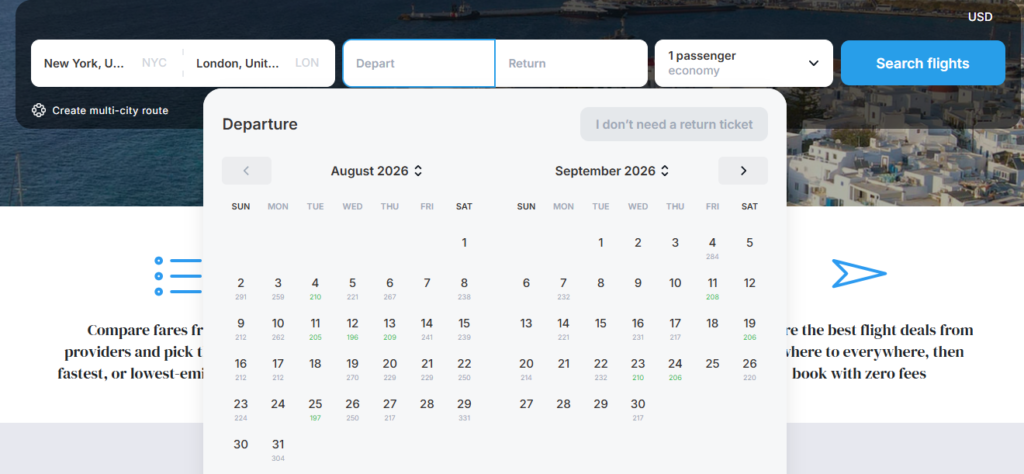
Shifting your departure by even one day, or flying at an odd hour, can lower the price noticeably. Flexible date calendars on most booking platforms make this easy to spot in seconds.
Book Directly After Comparing
Once you’ve compared prices and found the best one, book directly with the airline where possible. This usually makes it easier to manage changes if your last-minute plans shift again.
Best Days and Times to Book Last-Minute Flights
Best Day of the Week
Tuesday and Wednesday afternoons still tend to show slightly lower fares on many routes, since airlines often release new fare sales early in the week and business travel demand is lower midweek.
Best Time of Day
Fares can shift within a single day as booking systems update. Checking early morning, before most business travelers start searching, sometimes shows a lower starting price.
International Flight Prices: What Changes Last-Minute
Long-Haul vs Short-Haul Pricing
Short domestic hops behave differently from long international routes. Short-haul last-minute fares can spike sharply since there are fewer seats to begin with. International flight prices, on the other hand, sometimes have more room to drop because airlines are managing a much larger pool of seats across connecting routes.
Currency and Season Impact
Currency fluctuations and regional travel seasons also affect last-minute international fares. A route that’s expensive last-minute in July might behave completely differently in November, so it helps to check historical pricing trends for your specific destination rather than assuming one rule fits every route.
How to Find “Flight Tickets Near Me” When You’re in a Hurry
When plans come together fast, most people search flight tickets near me expecting instant local deals, but the truth is your nearest airport isn’t always your cheapest option. Sometimes driving an extra hour to a secondary airport saves significantly more than the cost of the drive itself.
A quick way to check this: search your primary airport, then run the same dates from the next two nearest airports. Compare all three before locking in your booking.
Cheap United Flights and Other Budget-Friendly Routes
Major carriers release different fare classes depending on route competition. If you’re specifically looking for cheap united flights or similarly priced fares on other major airlines, keep an eye on routes where a low-cost carrier also operates. Competition on a route almost always pulls prices down across the board, even on legacy airlines.
Signing up for fare sale notifications directly from the airline is one of the simplest ways to catch these drops before they disappear.
Tools That Make Aeroplane Ticket Booking Easier
Price Comparison Tools
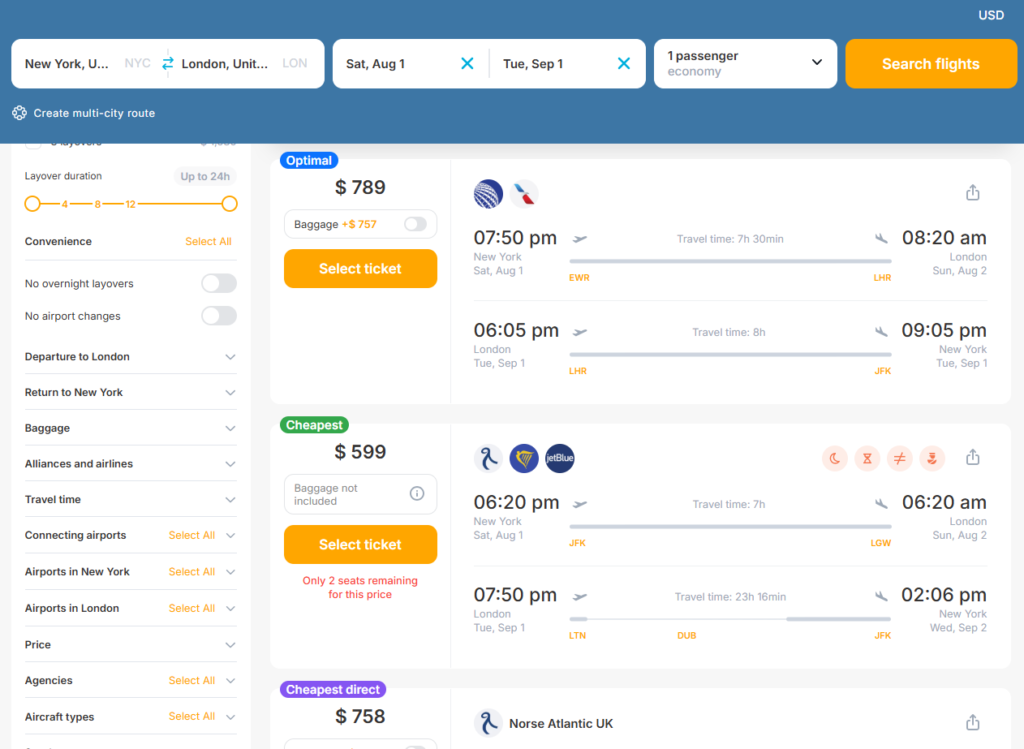
A good comparison tool pulls fares from dozens of sources at once, saving you from manually checking each airline. This is especially useful when you’re trying to lock in an aeroplane ticket quickly without overpaying out of sheer time pressure.
Airline Apps and Alerts
Most airline apps now send push notifications for sudden price drops on saved routes. Combined with a comparison tool, this gives you both the broad market view and the direct airline advantage.
Common Mistakes People Make When Booking Last-Minute
- Booking the very first result without comparing at least two other platforms
- Ignoring nearby airports that could offer a better fare
- Ignoring baggage fees, which can quietly erase any savings
- Waiting too long on popular routes, hoping for a discount that isn’t coming
- Not checking whether a flexible date shift could lower the price
Real Traveler Scenarios: Luck vs Strategy
A traveler booking a Thursday flight to a quiet regional destination two days out found a fare 20 percent below the average. That’s luck meeting low demand.
A traveler booking a Friday evening flight to a major city three days before a long weekend paid nearly double the early-bird price. That’s what happens when demand overwhelms any last-minute discount hope.
The pattern is clear. Strategy narrows the odds in your favor. Luck alone is a coin toss.
Read more : Cheap Flights from the United States
Frequently Asked Questions
Is it actually cheaper to book flights last minute in 2026?
Only on select low-demand routes. On popular routes, prices usually rise as departure gets closer.
How many days before departure should I book for the best price?
For most routes, three to six weeks ahead tends to offer the best average price. Last-minute booking is a gamble best reserved for flexible travelers.
Do prices really change by time of day?
Yes, though the shifts are usually small. Checking early morning and comparing across a few hours can occasionally reveal a lower fare.
Is it better to book directly with the airline or through a comparison site?
Use a comparison site to see the full market first, then book directly with the airline once you’ve confirmed the best total price, including baggage and fees.
Final Verdict: Myth, Luck, or Strategy?
Last-minute airfare isn’t pure myth, and it isn’t pure luck either. It’s a narrow window that occasionally favors flexible travelers on quiet routes, while punishing anyone hoping for a discount on a popular one. The travelers who consistently win aren’t the lucky ones. They’re the ones comparing prices, watching flexible dates, and booking with a plan instead of a hope.
At Travoaid, we built our comparison tools around exactly this kind of decision-making, so you’re never left guessing whether that “deal” is real.
📞 +1 (844) 551-9200 . Need help ? CLICK HERE