
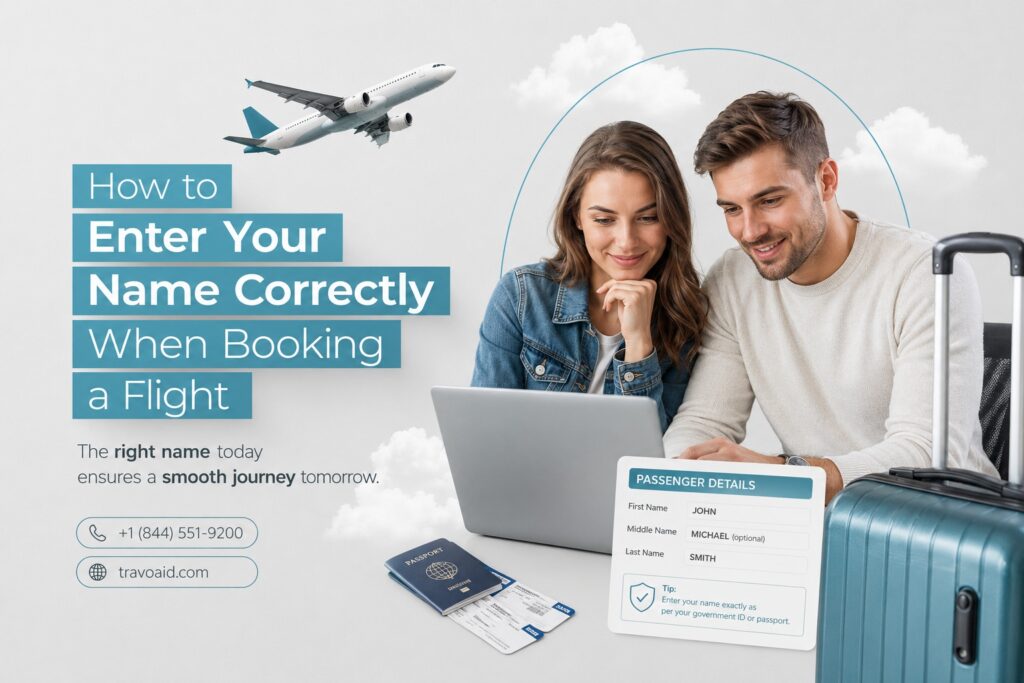
You’ve found a great deal, the dates line up, and you’re one click away from confirming your seat. Then you get to the passenger details page and freeze for a second. Do you type your middle name? Do you use the name on your passport or the one on your driving license? Does it even matter that much?
It does. More than most travelers realize.
Getting your name wrong on a flight ticket is one of the most common (and most avoidable) booking mistakes out there. Airlines match your ticket against your government ID at check-in, and if the two don’t line up, you could be stopped at the counter, charged a correction fee, or in rare cases, denied boarding altogether.
This guide walks you through exactly how to get it right the first time, plus what to do if you’ve already made a mistake.
Why Airlines Are So Strict About Passenger Names
Airlines aren’t being difficult on purpose. Passenger name records are tied directly to security screening systems like TSA Secure Flight in the US and similar watchlist checks used worldwide. A name mismatch, even something as small as a missing middle initial, can flag your booking for manual review.
On top of that, your ticket is a non-transferable document. It’s issued to one specific person, matched to one specific ID. Airlines protect that link closely because it’s what stops tickets from being resold or misused.
So when you sit down to complete your fly ticket booking, the name field isn’t just a formality. It’s the anchor point for everything else on your itinerary.
Step One: Pull Out the ID You’ll Actually Travel With
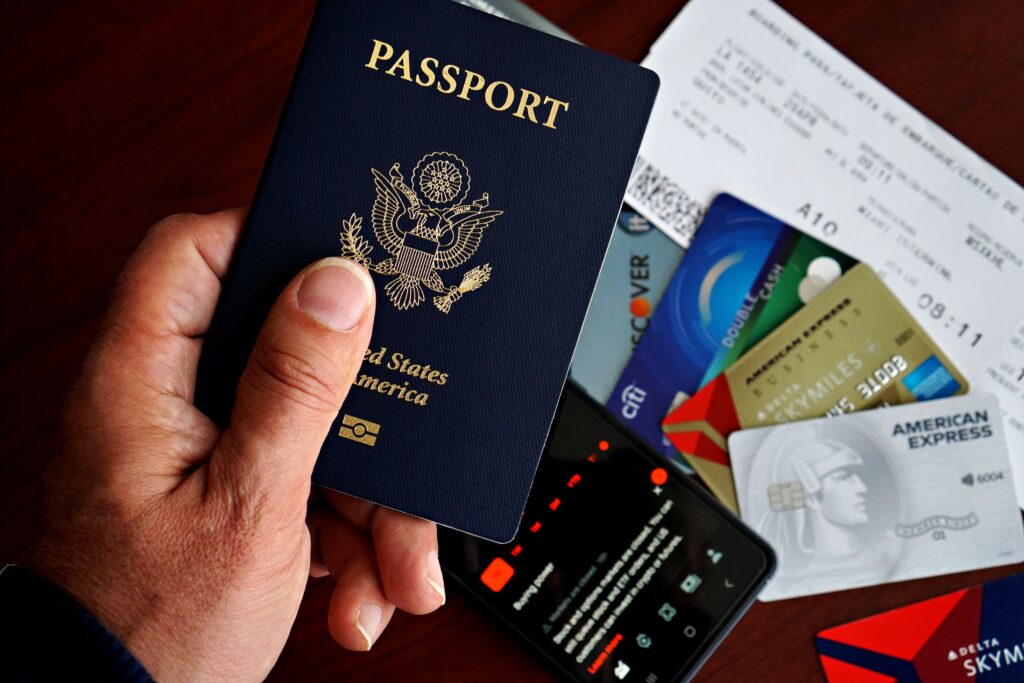
Before you type anything, grab the exact document you plan to carry to the airport.
- Flying internationally? Use your passport.
- Flying domestically in a country where a national ID or driving licence is accepted? Use whichever one you’ll actually present at security.
Don’t guess from memory. Names get misremembered more often than people expect, especially with double surnames, hyphenated names, or names that changed after marriage.
Quick tip: Take a photo of your ID’s name section and keep it open in another tab while you book. It sounds basic, but it prevents almost every typo.

How Your Name Should Be Formatted
Most booking systems, including the one on Travoaid, split your name into clear fields. Here’s how to fill each one out properly.
First Name (Given Name)
Enter your first name exactly as it appears on your ID. If your passport lists your first and middle name together as one string (common in many countries), enter it exactly that way, spaces and all, unless the airline’s form gives you a separate middle name box.
Middle Name
If your ID has a middle name and the airline provides a field for it, fill it in. If there’s no separate field, check whether the airline wants it merged into the first name box or left out completely. Skyscanner and most major booking engines will show a note under the field telling you which format to use.
Last Name (Surname)
This should match your ID surname exactly, including any hyphens. Don’t shorten a double-barreled surname and don’t drop a maiden or married name unless your ID has already been updated.
Titles (Mr, Mrs, Ms, Dr)
Titles rarely cause rejection issues, but they do affect how your boarding pass prints and, on some carriers, they factor into seating and meal preference logic. Pick the one that matches your legal documents when in doubt.
Common Name Mistakes During Booking
A surprising number of rejected check-ins come down to a handful of repeat offenders. Watch out for these:
- Typing a nickname instead of your legal first name
- Reversing first and last name in the form (more common than you’d think on mobile)
- Leaving out a middle name that appears on your passport
- Adding extra spaces or special characters your ID doesn’t have
- Using a maiden name after marriage when your passport hasn’t been updated yet
- Booking under a family member’s saved profile by accident
If you’re booking several seats at once for a family trip, double check that each passenger’s name is placed under the correct ticket. This is the single biggest cause of name-swap errors on group bookings.
✅ Read more : What Really Happens If You Forget to Enable Airplane Mode?
What Happens If You Misspell Your Name
It depends on how small the error is.
A one or two letter typo (like “Jon” instead of “John”) is usually treated as a minor correction and can often be fixed for free or a small admin fee, especially if you catch it quickly. A completely wrong name, a swapped surname, or a name that belongs to someone else entirely is treated far more seriously and may require a full rebooking.
Either way, the earlier you catch it, the cheaper and easier the fix.
How to Correct a Name After Booking
If you’ve already confirmed your a flight ticket and spotted an error, don’t panic. Here’s the general process:
- Check your booking confirmation email for a “manage booking” link.
- Log into your account (or the airline’s site directly) and look for a name correction option.
- If it’s not self-service, contact the airline’s support team directly with your booking reference ready.
- Have your ID on hand, some airlines ask for a scanned copy to approve the change.
Policies vary a lot by carrier. Delta Airlines, for example, allows minor spelling corrections through customer service without cancelling the ticket, while a full legal name change (say, after marriage) usually needs supporting documents like a marriage certificate. Always check the specific airline’s help page since rules and fees shift from year to year.
Booking for Family, Kids, or Infants
Booking for children adds a couple of extra checks:
- Use the child’s full legal name exactly as it appears on their passport or birth certificate, not a shortened version.
- For infants travelling on a lap, most airlines still require the infant’s name and date of birth entered correctly, even if no separate seat is purchased.
- Double check the “adult” and “child” toggle before entering names, since misclassifying an age group can also affect your flight ticket rate.

Finding a Good Rate Without Rushing the Name Field
It’s tempting to rush through passenger details when you’re mid-search comparing prices for the cheapest flight, but slow down for this one step. A few habits that help:
- Search and compare fares first, then finalize passenger details once you’ve picked your flight, so you’re not filling in names under time pressure.
- Set a price alert if your dates are flexible, that way you’re not rushing to lock in a fare before checking your name spelling.
- When comparing international air tickets across multiple airlines, keep a saved note with your ID name format handy so you’re consistent across every booking site you check.
- If you’re weighing cheap United flights against other carriers, remember that each airline’s booking form may lay out the name fields slightly differently, so don’t copy-paste blindly between tabs.
Getting a good ticket rate doesn’t mean skipping the details that keep your trip stress free.
Quick Checklist Before You Hit Confirm
Run through this before you finalize payment:
- Name matches your ID exactly, letter for letter
- Middle name included or excluded correctly based on the airline’s format
- No nicknames, initials only where your ID uses initials only
- Correct passenger assigned to the correct ticket (for group bookings)
- Title selected correctly
- Date of birth matches your ID too, since this gets checked alongside your name
Travelers should ensure the name on their ticket exactly matches the government-issued ID used for travel, as required under the TSA Secure Flight Program.
Frequently Asked Questions
Can I use a nickname when booking a flight ticket?
No. Airlines require the legal name that matches your travel document. Save the nickname for your luggage tag.
Does a middle name really matter?
If it’s printed on your passport, yes. Leaving it off usually isn’t a big issue for domestic travel, but for international trips it can cause delays at check-in or immigration.
What if I got married and my passport still has my old surname?
Book under the name on your current, unexpired passport. Update your passport separately through your local passport office before you need to travel under the new name.
Will I be charged if I need to fix a name error?
Sometimes. Minor spelling fixes are often free or low cost if requested early. Major name changes closer to departure can cost significantly more or require a new booking.
Is it different for cheap United flights or budget carriers?
The core rule stays the same across every airline, low cost or full service: your name has to match your ID. Budget carriers sometimes charge higher correction fees though, so it pays to get it right the first time.
Conclusion
Booking flights should be the easy part of planning a trip. Taking thirty extra seconds to match your name field against your actual ID saves you from a stressful moment at the airport counter later. Once you’ve nailed the name field, the rest of your booking, seat selection, baggage, payment, is smooth sailing.
Ready to search and compare fares the smart way? Head back to the Travoaid homepage and start comparing flights, hotels, and travel deals in one place.
👉 Need help finding the best airfare ? CLICK HERE
👉 For More Information : 📞 +1 (844) 551-9200